 (918) 803-6862
 a2zoutdoorservice@gmail.com

Retaining walls do more than hold soil in place. They help shape a yard, protect usable outdoor space, and keep slopes from turning into a bigger property problem. In June, Tulsa, OK, homeowners may notice more changes around their walls because spring rain and early summer storms can put pressure on soil and outdoor structures. Tulsa’s spring is known as the wettest season, and the area can see strong storms into early summer, which makes this a good time to look closely at your yard. Keep reading to learn when retaining walls may be telling you that repair is no longer enough.
Retaining Walls That Bow Out From Heavy Tulsa Soil Pressure
How Tulsa, OK Soil Pushes On The Wall
One of the first warning signs that a wall may need replacement is a wall face that starts bowing outward. This is different from a small cosmetic flaw. When retaining walls bow, the soil behind them exerts more pressure than the wall can safely support. In many yards in Tulsa, OK, this can happen after long wet periods, poor backfill, or years of pressure building behind the structure. Some soil types in Oklahoma can swell when wet and crack when dry, which can reduce the rate at which water moves through the soil.
A homeowner may first notice the middle of the wall curving out while the top and bottom still look somewhat normal. That small curve can be easy to ignore, especially if plants, mulch, or Hardscaping features draw the eye away from it. But a bowed wall often indicates it has already lost some of its strength. Retaining walls are meant to resist soil pressure in a controlled way, not bend under it. Once the wall begins to change shape, replacement may be safer than trying to patch the face and hoping it holds.
When Hardscaping Lines Stop Looking Right
Hardscaping can also help reveal a bowed retaining wall before it becomes obvious from a distance. A paver edge may no longer line up cleanly beside the wall. A walkway may look slightly squeezed near one section, or the capstones may seem pushed forward compared to the rest of the wall. These changes may seem small at first, but they matter because they indicate movement in materials that should stay in place. This is where expert eyes make a difference, because the wall may be telling a bigger story than one crooked block.
This sign is especially important when the wall supports a patio, outdoor seating area, fence line, or garden bed. Retaining walls that bow can put nearby outdoor features under pressure, too. If a homeowner has spent money on a fire pit area, sod, fencing, or a clean landscaping layout, that pressure can start affecting more than just the wall itself. The best next step is not to shove the wall back into shape, because that rarely solves the deeper issue. Once the wall’s shape changes, the next thing to check is whether the wall material itself is still holding together.
Retaining Walls With Deep Cracks Through Block Or Stone Faces
Small Surface Marks Versus Real Splits
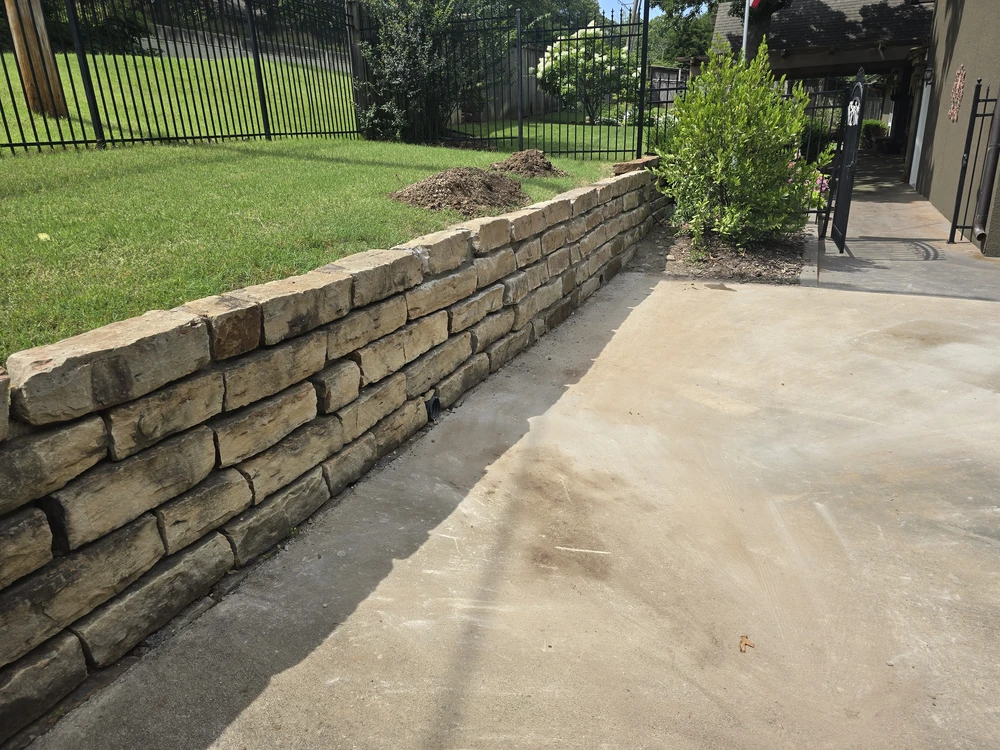
Cracks are not always an emergency, which is why this sign needs a closer look. A tiny hairline mark on a concrete surface may come from age, weather, or normal wear. Deep cracks are different because they often extend through block, stone, mortar, or concrete, indicating the wall is separating. Retaining walls with deep splits may not have the same load strength they had when they were first built. If the crack is wide enough to fit a key, keeps growing, or runs through several units, it should not be treated like a simple cosmetic issue.
In Tulsa, OK, summer heat can make homeowners notice these cracks more clearly because dry weather can pull moisture out of the soil and change how the ground sits around the wall. This does not mean every crack needs a full replacement. But when the crack is deep, repeated, or paired with blocks shifting out of place, the wall may be past the point where a small repair makes sense. Retaining walls are built as a system, so one failed section can affect the rest. A crack that crosses through several blocks is often a sign that the system is no longer working together.
When Mortar And Caps Start Separating
Mortar gaps and separated capstones deserve the same kind of attention. The top of a wall should help protect the materials below it and give the wall a finished edge. When capstones pop loose or mortar joints open, water can get into places it should not. That water can break down materials, add weight behind the wall, and make smaller openings worse over time. Hardscaping details like caps, steps, and adjoining borders are not just decoration, because they often show how the wall is moving.
This sign also matters because cracks can hide inside the wall before they become clear on the outside. A homeowner might see one broken capstone and think it only needs new adhesive. But if several caps are loose or the mortar keeps opening after repairs, the wall may be shifting in sections. Retaining walls with repeated separation often require a professional inspection to determine whether the base, backfill, or wall material has failed. Once the wall is breaking apart instead of simply aging, it is time to look below the wall too, because the ground around it can reveal another major warning.
Retaining Walls Losing Soil Support Around Their Base After Rain
Washed-Out Areas In Tulsa, OK
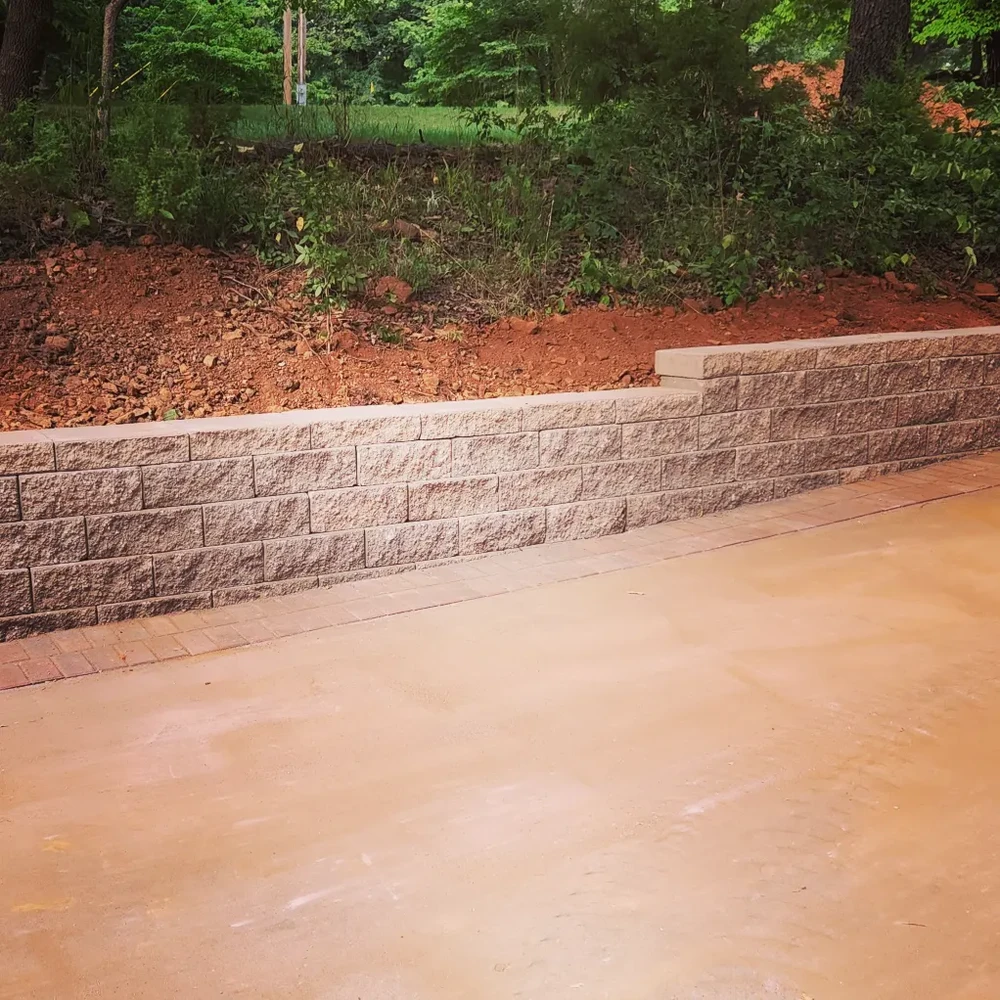
Soil loss at the base of a wall is a serious sign because it affects support from the ground up. After a heavy rain, a homeowner may see washed-out soil, exposed gravel, small trenches, or a gap under the lowest row of block. That means water is carrying soil away from the wall instead of allowing it to sit on a firm base. Retaining walls depend on good base support, and once that support starts disappearing, the wall can settle unevenly. From our experience, we’ve noticed that water, gravity, and runoff can remove soil, and bare or disturbed soil is more vulnerable to erosion.
This is a common concern for yards with slopes, downspouts that empty too close to the wall, or beds that send water toward one low spot. Tulsa, OK, properties can also experience rapid changes in rainfall that can quickly reveal weak areas. Typical rainfall records for Tulsa show how much June rainfall can vary, from extremely dry years to very wet ones, so walls need to be built for changing conditions, not just average days. If soil keeps washing away in the same place, adding mulch over it will not solve the problem. The wall may need a replacement plan that corrects the support and water flow at the same time.
Hardscaping Settling Near The Wall
Nearby settling is another clue that the wall may be losing support. A patio may dip near the edge, a walkway may sink close to the wall, or decorative stone may slide into one area after every rain. Hardscaping should not keep shifting toward the base of a retaining wall. When that happens, the ground shows it can no longer maintain its shape. This can make the wall look fine from the front while the surrounding area gradually drops away from it.
Homeowners should pay extra attention when settling appears near outdoor features they use often. A sunken walkway can become a trip hazard. A lower patio edge can collect water where people sit, grill, or entertain. Retaining walls that are losing soil support can also affect fence installations, sod areas, planting beds, and drainage plans around the yard. At that point, replacement is not just about a better-looking wall; it is about protecting how the entire outdoor space functions.
Conclusion
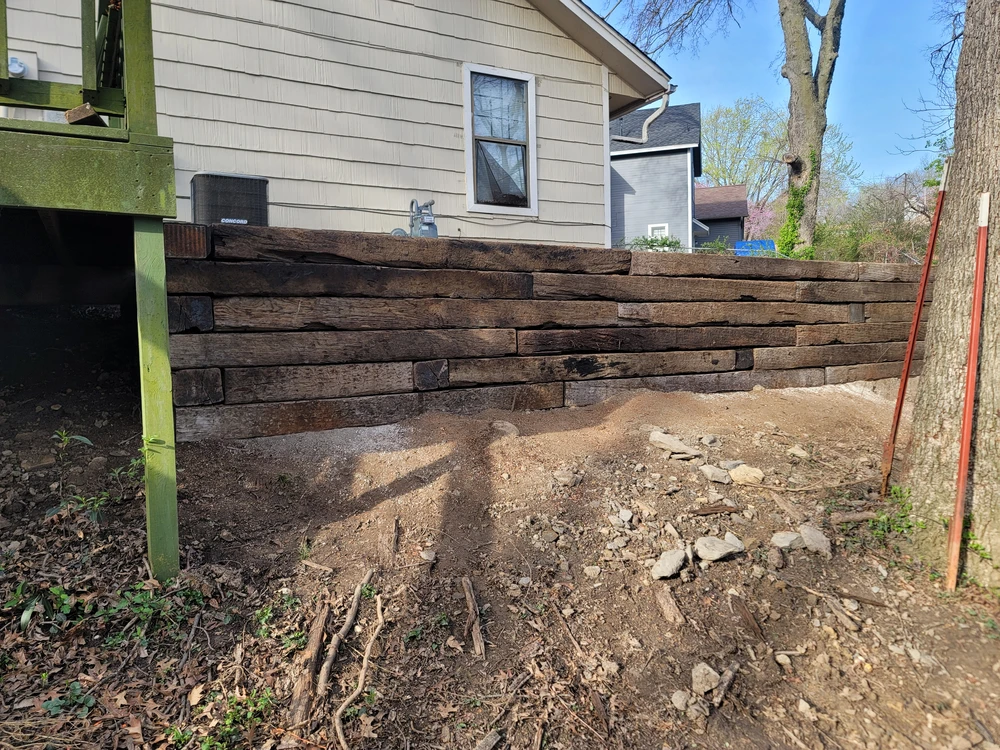
Now that you know the signs to look for, it becomes easier to tell when retaining walls need more than a quick fix. A bowed wall, deep cracking, or soil loss near the base can all point to problems that affect safety, yard use, and long-term property value. At A-2-Z Outdoor Service, we understand how Tulsa soil, June weather, drainage, and Hardscaping all work together in a real yard. We bring expert craftsmanship, full outdoor solutions, and local experience to every project, whether your property is in Tulsa, Claremore & Broken Arrow, OK, or nearby. If your wall is showing one of these warning signs, contact us today, and we’ll help you determine the right next step for your outdoor space.


